


Morning vs night Sudoku: Discover when your brain performs best for focus, accuracy & speed. Science on circadian rhythms, chronotypes & tips to optimize puzzle time!
Sudoku enthusiasts often debate the ideal time to tackle those tricky grids—should you grab a puzzle with your morning coffee or unwind with one before bed? The answer isn’t one-size-fits-all; it hinges on your brain’s natural rhythms, lifestyle, and even age. Science reveals that cognitive performance for logic-based activities like Sudoku fluctuates throughout the day, influenced by circadian rhythms—the internal clock governing alertness, focus, and problem-solving.
In this in-depth exploration, we’ll compare morning and night Sudoku sessions, backed by research on brain function. Whether you’re a lark who rises with the sun or an owl who thrives after dark, understanding these patterns can optimize your puzzle-solving prowess. We’ll cover the science, benefits, drawbacks, and practical tips, complete with tables for quick comparisons and diagrams to visualize key concepts. By the end, you’ll know when your brain is primed for peak performance, potentially shaving minutes off your solve times and boosting mental satisfaction.
The Science of Circadian Rhythms: Your Brain’s Daily Clock
Circadian rhythms are 24-hour cycles regulating everything from sleep to hormone release, body temperature, and cognitive abilities. Driven by the suprachiasmatic nucleus (SCN) in the brain, these rhythms align with environmental cues like light and darkness. For mental tasks, they dictate when you’re sharpest for concentration, memory, and logic—core Sudoku skills.
Research shows cognitive peaks typically occur in the late morning to early afternoon, around 11 a.m. to 1 p.m., when alertness and processing speed are highest. This aligns with rising body temperature and cortisol levels post-wake-up, enhancing focus. However, individual chronotypes—your natural preference for morning or evening activity—play a big role. Morning types (larks) excel early, while evening types (owls) peak later.
Disruptions like poor sleep or irregular schedules can throw this off, leading to “social jet lag” where your body clock mismatches daily demands. For Sudoku, which demands deductive reasoning and pattern recognition, timing matters: Mornings favor accuracy, evenings speed—but with trade-offs.
Here’s an interactive diagram illustrating typical circadian rhythm phases and cognitive peaks. Just move the cursor to the points on the circle and see the status of the brain at a particular time.
Circadian Rhythm
Biological Clock & Cognitive Peaks – Typical 24-Hour Cycle
This visual shows how alertness rises post-dawn, peaks midday, and dips in the evening, influencing puzzle performance.
Morning Sudoku: Fueling Focus After a Fresh Start
Mornings often provide a cognitive edge for Sudoku, thanks to restored mental resources after sleep. Overnight, the brain clears toxins and consolidates memories, leaving you refreshed for logical tasks. Studies indicate short-term memory and accuracy improve early in the day, ideal for Sudoku’s elimination-based logic.
Benefits of Morning Sessions
- Heightened Alertness: Cortisol peaks around 6-8 a.m., boosting vigilance. A UK study of university students found exam performance (involving reasoning) was best around noon, but mornings built momentum.
- Better Accuracy: Decisions are slower but more precise pre-noon, reducing errors in complex grids. For Sudoku, this means spotting hidden pairs or naked triples without rushing.
- Habit Formation: Morning puzzles kickstart the day, improving overall focus. Anecdotal reports suggest daily morning Sudoku enhances productivity.
- For Larks: Morning chronotypes perform up to 30% better early, per chronobiology research.
Drawbacks? If you’re not a morning person, grogginess (sleep inertia) can hinder. Plus, distractions like work emails might interrupt.
Visualize morning brain activity: Scans show increased prefrontal cortex engagement post-wake-up, key for Sudoku’s executive functions.
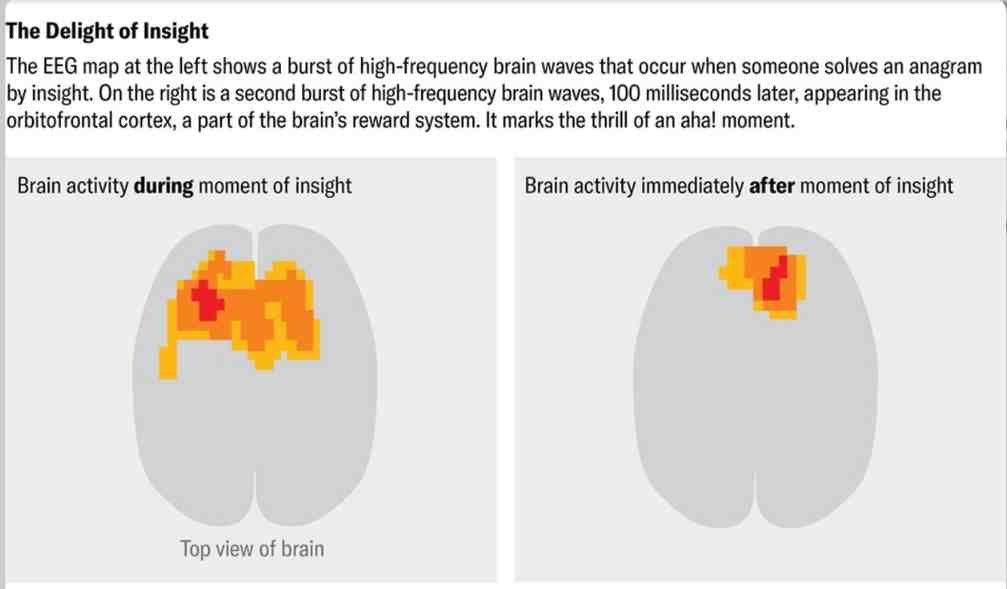
Night Sudoku: Unwinding with Evening Ease
Evenings shift the brain toward relaxation, making Sudoku a soothing wind-down. As melatonin rises around 9 p.m., focus wanes, but for some, this fosters creative problem-solving.
Benefits of Evening Sessions
- Stress Relief: Puzzles melt mental fatigue, per user experiences. Evening Sudoku reduces anxiety, improving sleep quality.
- Speed Gains: Decisions quicken later, though accuracy dips. Owls shine here, scoring 7-13% higher on cognitive tests evenings.
- Creativity Boost: Mild fatigue sparks innovative Sudoku strategies, like unconventional scans.
- For Owls: Evening types excel post-4 p.m., with peak reasoning aligning with dim light.
Cons? Blue light from apps suppresses melatonin, disrupting sleep. Overstimulation might cause revenge bedtime procrastination.
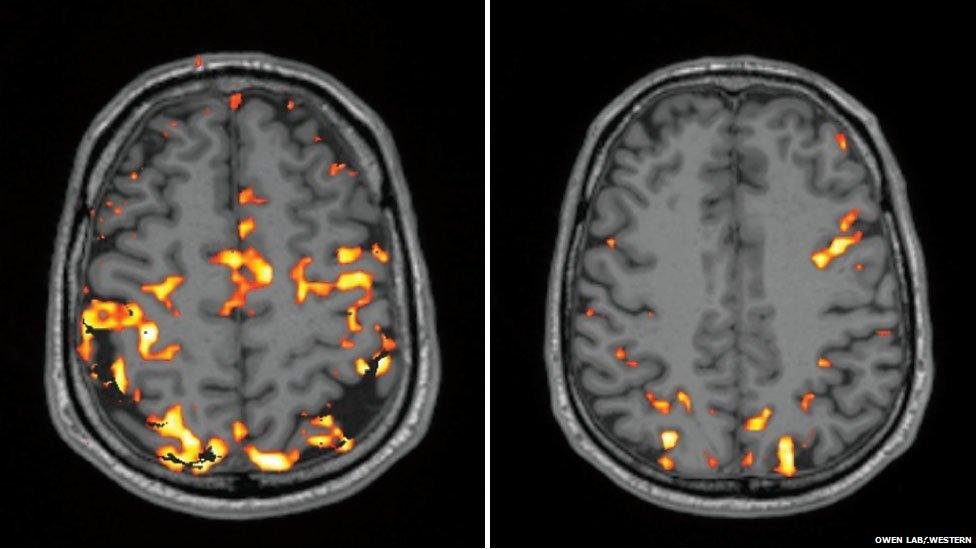
Evening brain scans reveal reduced frontal activity but sustained logic centers.
You may also like to visit- How Many Sudoku Puzzles Per Day Should You Do for Mental Fitness?
Chronotypes: Larks vs. Owls in Sudoku Showdown
Your chronotype—genetically influenced—determines optimal timing. Larks (early risers) thrive mornings, owls evenings. A study of 26,000 adults found owls have superior cognitive function overall, but larks match in mornings.
For Sudoku:
- Larks: Morning grids yield precise solves.
- Owls: Evening puzzles leverage peak alertness.
- Intermediates: Flexible, but midday best.
Age shifts chronotypes earlier; seniors may prefer morning Sudoku for dementia care.
Table: Chronotype Sudoku Performance
| Chronotype | Best Time | Benefits | Drawbacks |
|---|---|---|---|
| Lark | Morning | High accuracy, fresh focus | Evening fatigue |
| Owl | Evening | Speed, creativity | Morning grogginess |
| Intermediate | Midday | Balanced energy | Variable peaks |
Studies on Time-of-Day Effects for Logic Puzzles

Evidence from chronobiology links time to logic performance. A chess study showed mornings favor accuracy, evenings riskier speed. In puzzles, morning short-term memory aids grid retention.
A video game study found better memory in “day” vs. “night” simulations, mirroring real rhythms. Exercise timing shows no strong morning/afternoon cognitive edge, but consistency matters.
Sleep deprivation hurts next-day logic; quality sleep enhances mornings. Owls outperform larks cognitively, but align with personal peaks.
Factors Influencing Your Sudoku Sweet Spot
- Sleep Quality: 7-9 hours optimizes function; disruptions slow reasoning.
- Age: Teens/young adults owl-leaning; elders lark-like.
- Lifestyle: Shift workers face desynchrony; consistent routines help.
- Environment: Light exposure advances rhythms; dim evenings aid owls.
- Health: Dementia patients benefit mornings.
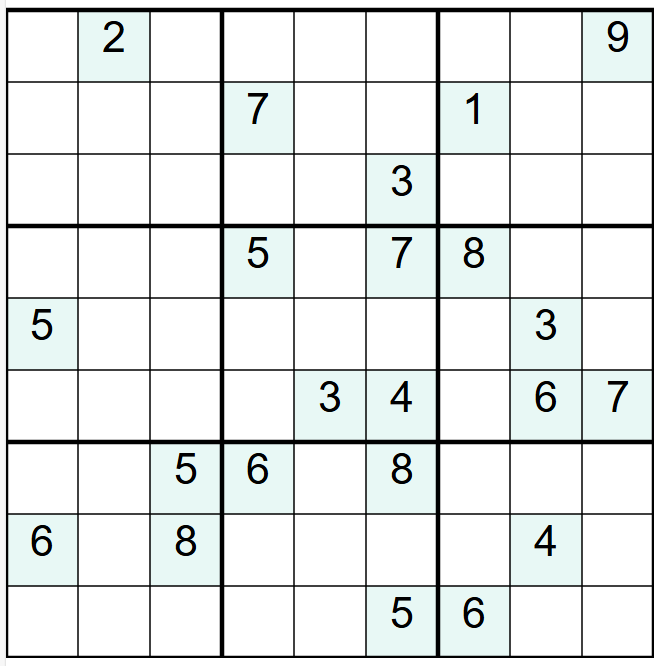
Example Sudoku grid for practice:
Practical Tips: Optimizing Your Sudoku Schedule
Test timings: Track solve times/satisfaction over weeks.
Sample Weekly Plan Table:
| Day | Morning (8-10 a.m.) | Evening (8-10 p.m.) | Notes |
|---|---|---|---|
| Mon | Easy grid | Relax variant | Build habit |
| Tue | Medium, timed | Creative (killer Sudoku) | Focus on speed |
| Wed | Hard, accuracy focus | Light, unwind | Avoid screens |
| Thu | Variant (jigsaw) | Group solve | Social boost |
| Fri | Review errors | Free play | Reflect |
| Sat | Long session | Off | Rest |
| Sun | Flexible | Journal progress | Adjust |
Combine with exercise; morning workouts enhance cognition. Apps track chronotype.
Conclusion: Listen to Your Internal Clock
Morning Sudoku leverages fresh alertness for precision, while night sessions offer relaxation and speed for owls. Ultimately, align with your chronotype—larks mornings, owls evenings—for best results. With circadian awareness, Sudoku becomes a tailored brain boost, potentially warding off decline. Experiment, track, and enjoy the mental workout.
FAQs On Morning vs Night Sudoku
Q1- What is the best time to do Sudoku?
Ans- The best time for Sudoku depends on your chronotype: mornings for larks (early risers) offer heightened alertness and accuracy, while evenings suit owls (night people) with potential speed and creativity boosts. Midday often provides a balanced peak for most.
Q2- Is Sudoku better in the morning or at night?
Ans- Mornings generally favor precision and focus due to restored mental resources after sleep, while nights provide relaxation and quicker decisions for some. Align with your natural circadian rhythm—larks thrive mornings, owls evenings—for optimal performance.
Q3- How do circadian rhythms affect Sudoku performance?
Ans- Circadian rhythms regulate alertness and cognitive peaks, typically highest late morning to early afternoon. For Sudoku, this means better logic and memory mornings, but individual chronotypes can shift peaks to evenings for night owls.
Q4- Does doing Sudoku at night help you sleep?
Ans- Evening Sudoku can relieve stress and unwind the mind, potentially improving sleep quality. However, avoid screens close to bedtime as blue light suppresses melatonin; opt for paper puzzles for better rest.
Q5- Why is morning better for brain games like Sudoku?
Ans- Mornings boost accuracy in Sudoku due to peak cortisol levels enhancing vigilance and short-term memory restoration from sleep. This makes it ideal for precise deductive reasoning and error reduction in complex grids.
Q6- Can playing Sudoku in the evening improve creativity?
Ans- Yes, mild evening fatigue can foster innovative strategies in Sudoku, like unconventional pattern spotting. For owls, evenings align with cognitive peaks, blending relaxation with enhanced problem-solving flair.
Q7- What is a chronotype and how does it impact Sudoku timing?
Ans- A chronotype is your natural preference for morning (lark) or evening (owl) activity. Larks excel at morning Sudoku with focus, while owls perform better at night with speed; intermediates peak midday for balanced energy.
Q8- Does age affect the best time for Sudoku?
Ans- Yes, chronotypes shift earlier with age—seniors often become more lark-like, preferring morning Sudoku for cognitive maintenance. Younger adults, often owls, may find evenings optimal for peak reasoning.
Q9- How does sleep quality influence Sudoku performance?
Ans- Good sleep (7-9 hours) restores cognitive functions, enhancing morning Sudoku accuracy. Poor sleep causes grogginess, reducing performance anytime; consistent routines align your body clock for better overall puzzle-solving.
Q10- Are there studies on time-of-day effects for puzzles like Sudoku?
Ans- Yes, chronobiology research shows mornings favor accuracy in logic tasks, while evenings boost speed. Studies on chess and video games indicate cognitive peaks around midday, with chronotype variations influencing individual results.
Q11- What are the benefits of morning Sudoku?
Ans- Morning Sudoku offers heightened alertness, better accuracy, habit formation for productivity, and suits larks. It leverages post-sleep brain refresh for improved short-term memory and executive functions in grid-solving.
Q12- What are the drawbacks of night Sudoku?
Ans- Evening Sudoku may reduce accuracy due to fatigue, and screen use can disrupt sleep by suppressing melatonin. For non-owls, it could increase errors, though it provides stress relief for unwind routines.
Q13- How can I find my optimal Sudoku time?
Ans- Track solve times and satisfaction over weeks at different times, consider your chronotype (via quizzes), and factor in sleep/lifestyle. Experiment with morning precision vs. evening speed to match your peaks.
Q14- Does exercise timing affect Sudoku performance?
Ans- Morning exercise can enhance subsequent cognition, boosting Sudoku focus. Studies show no strong edge between morning/afternoon workouts, but consistency aligns with circadian rhythms for better mental sharpness.
Q15- Is midday the best compromise for Sudoku?
Ans- For many, midday (11 a.m. to 1 p.m.) offers peak cognitive performance with balanced alertness and processing speed. It’s ideal for intermediates, providing a sweet spot between morning accuracy and evening relaxation.

SwetaMS is the founder and editor of Sudoku Times, a leading blog dedicated to Sudoku puzzles, logical reasoning, and brain training. With a deep passion for analytical thinking and problem-solving, Sweta curates engaging Sudoku challenges, expert solving techniques, and thoughtful insights for puzzle enthusiasts of all levels.