

In today’s fast-paced world, people often wander, ‘Does Sudoku really boost memory and attention?’. Now-a-days maintaining sharp mental acuity is a top priority for many. Whether you’re a busy professional, a student or someone enjoying retirement, brain training exercises like Sudoku have surged in popularity as a fun way to enhance cognitive skills. But what does science say about Sudoku benefits for the brain?
This blog post dives deep into the neuroscience of Sudoku, exploring how this logic puzzle acts as cognitive cross-training to boost memory, attention, and overall brain health. Drawing from cutting-edge brain scans and studies, we’ll uncover how regular Sudoku play can lead to measurable cognitive enhancement, making your mind more resilient against age-related decline.
Does Sudoku Really Boost Memory and Attention?: Understanding Cognitive Cross-Training Through Sudoku
Cognitive cross-training refers to activities that simultaneously engage multiple brain functions, much like how cross-fit workouts target various muscle groups. Sudoku, a number-based logic puzzle originating from Japan, fits this description perfectly. Players fill a 9×9 grid so that each row, column, and 3×3 subgrid contains the numbers 1 through 9 without repetition. This requires logical reasoning, pattern recognition, and strategic planning—skills that translate to real-world problem-solving.
Unlike passive activities such as watching TV, Sudoku demands active engagement, stimulating neural pathways across different brain regions. Keywords like “brain training puzzles” and “cognitive benefits of sudoku” often highlight Sudoku’s role in building mental agility. Research in neuroscience shows that such puzzles don’t just entertain; they rewire the brain for better performance in memory retention and focused attention.
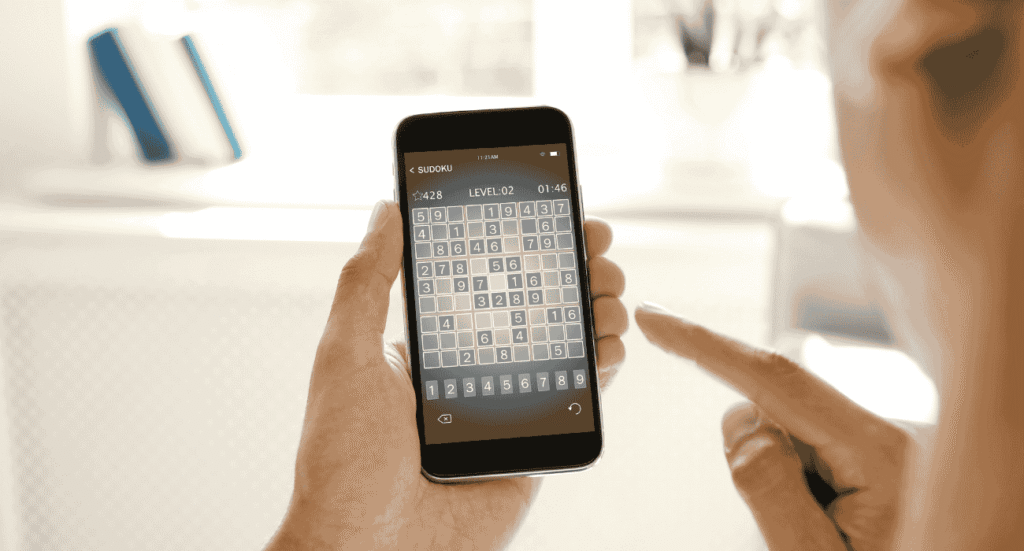
To visualize the challenge, here’s a person enjoying Sudoku on a digital device, making it accessible anytime:
This simple yet intricate structure forces the brain to juggle short-term memory (remembering placed numbers) with long-term strategies (anticipating future moves), making it an ideal tool for cognitive cross-training.
The Neuroscience of Puzzles: Brain Areas Activated
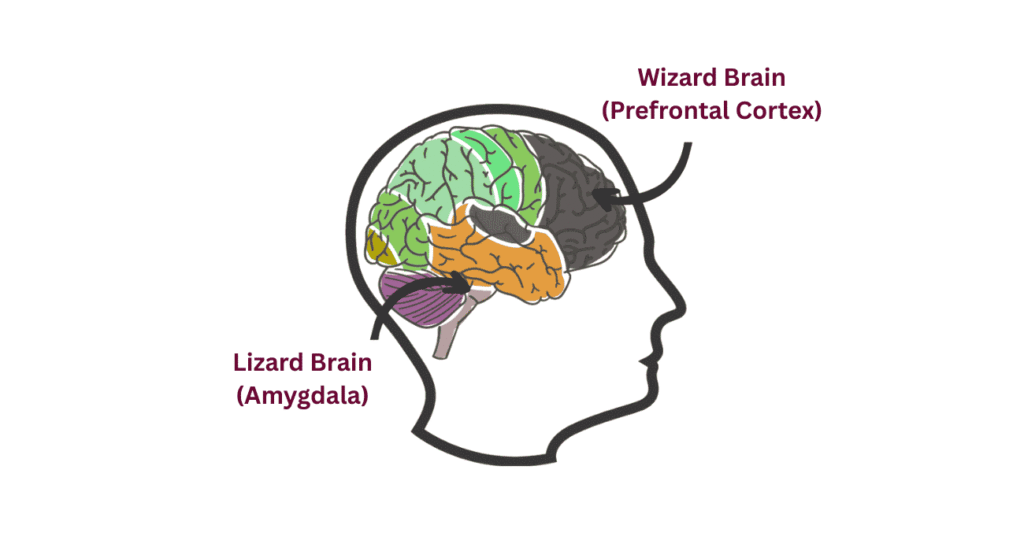
Neuroscience studies on puzzles reveal that activities like Sudoku light up key brain regions involved in executive functions. Using advanced imaging techniques such as functional Near-Infrared Spectroscopy (fNIRS) and Positron Emission Tomography (PET), researchers have mapped how Sudoku engages the prefrontal cortex (PFC), a hub for decision-making, attention, and working memory.
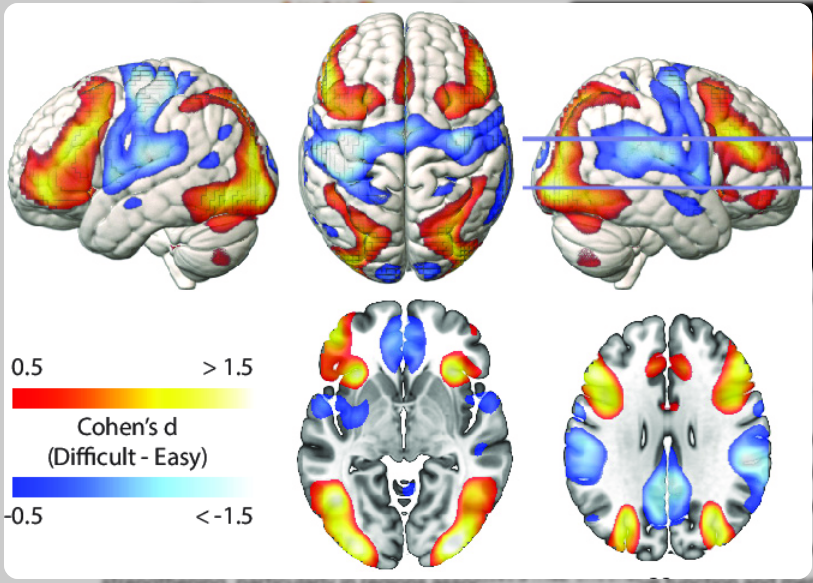
In one detailed fNIRS study, participants solved Sudoku puzzles divided into easy and hard phases. The easy phase, involving basic subgrid rules, activated both medial and lateral PFC areas bilaterally, with significant increases in oxygenated hemoglobin indicating heightened neural activity. The harder phase, incorporating full row and column rules, showed even stronger activation in the medial PFC, particularly the frontopolar cortex, which handles complex rule application and heuristic strategies. This suggests Sudoku progressively challenges the brain, adapting to difficulty levels for optimal cognitive training.
PET scans from other investigations into brain games echo these findings, showing boosts in neurotransmitters like acetylcholine, crucial for attention and memory. For instance, programs similar to Sudoku increased acetylcholine levels by about 2.3% in older adults, countering natural declines and enhancing focus in memory-related brain areas.
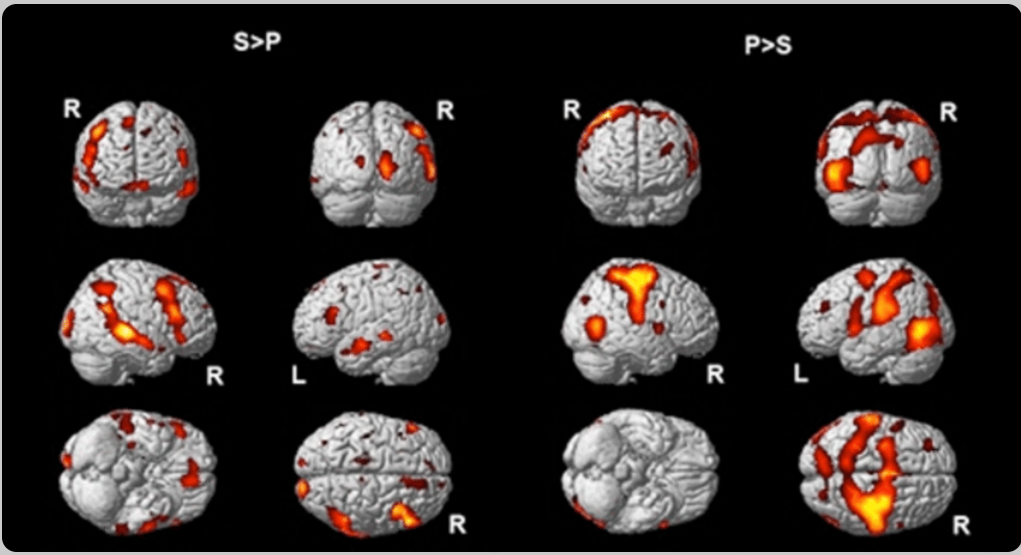
Here’s an example of a brain scan illustrating prefrontal cortex activation during problem-solving tasks similar to Sudoku:
To break it down, here’s a table summarizing key brain areas activated during Sudoku and their roles in cognitive enhancement:
| Brain Area | Primary Function | Activation in Sudoku | Benefits for Brain Health |
|---|---|---|---|
| Prefrontal Cortex (PFC) | Executive control, decision-making | High bilateral activation, especially medial in complex steps | Improves attention span and problem-solving skills |
| Frontopolar Cortex | Rule selection and multitasking | Preferential engagement in harder puzzles | Enhances strategic thinking and adaptability |
| Hippocampus | Memory formation and recall | Indirect stimulation through pattern recall | Boosts short-term and episodic memory |
| Parietal Lobe | Spatial reasoning and logic | Involved in grid visualization | Sharpens logical deduction and focus |
This table highlights why Sudoku is touted in “neuroscience of logic puzzles” discussions as a multifaceted brain workout.
Sudoku’s Impact on Memory: Evidence from Studies
Memory improvement is one of the most sought-after Sudoku brain benefits. Neuroscience research indicates that regular puzzle-solving strengthens neural connections in memory centers, potentially delaying cognitive decline.
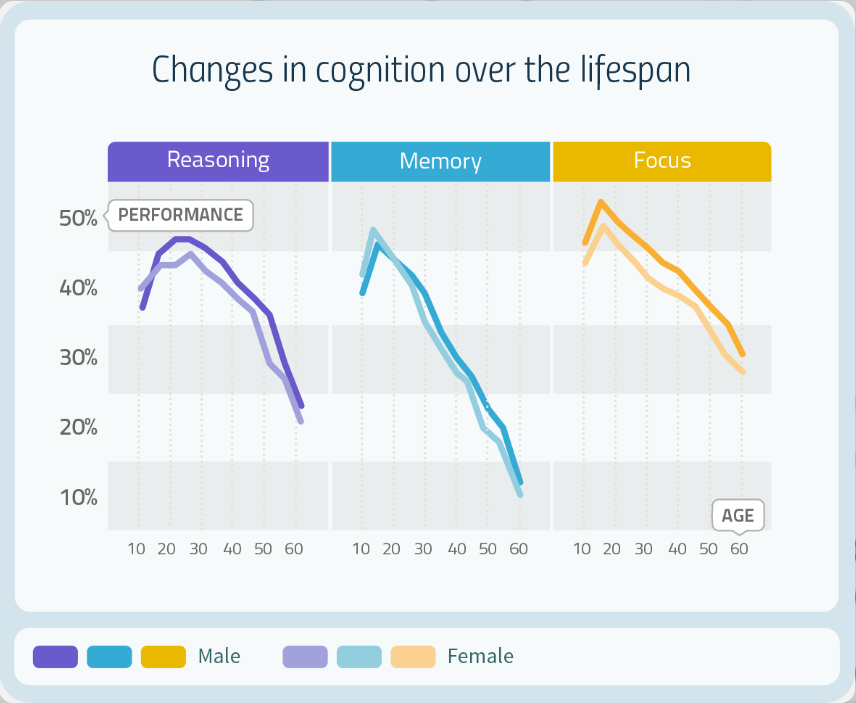
A large-scale analysis of over 19,000 adults aged 50 and older found that frequent Sudoku and crossword players performed better on cognitive tests, equivalent to having a brain 10 years younger. Specifically, on short-term memory tasks, they scored as if eight years younger. Participants who solved puzzles several times a week showed superior results in memory recall, attention, and reasoning compared to non-puzzlers. These self-reported habits were correlated with online assessments measuring grammatical reasoning, paired associate learning, and spatial working memory.
Further, combining puzzles with physical activity amplifies these effects. Studies show increased gray matter volume in memory-related regions, suggesting structural brain changes that support long-term cognitive health. For those searching “puzzles for memory improvement,” Sudoku stands out because it trains working memory—the ability to hold and manipulate information temporarily—essential for daily tasks like following recipes or navigating routes.
Here’s a graph from brain training research showing improvements in cognitive performance over time:
Enhancing Attention and Focus: The Attention Boost from Brain Games
Attention deficits are common in our distraction-filled era, but Sudoku offers a natural remedy. By requiring sustained focus to avoid errors, it trains the brain’s attentional networks.
In experiments with undergraduate students, solving puzzles like Sudoku and mazes led to measurable improvements in short-term attention. Participants completed attention tasks before and after puzzle sessions, showing enhanced performance in vigilance and selective focus. This aligns with broader “attention boost from brain games” research, where cognitive training elevates neurotransmitters responsible for alertness.
PET imaging in recent trials revealed that brain games akin to Sudoku upregulate acetylcholine in areas governing attention and decision-making. Older adults playing these games experienced a 2.3% increase, nearly matching the 2.5% decade-by-decade drop, leading to better focus and reduced mind-wandering. This chemical boost explains why Sudoku enthusiasts report feeling more mentally sharp after sessions.
What Brain Scans Reveal: Visual Proof of Cognitive Gains
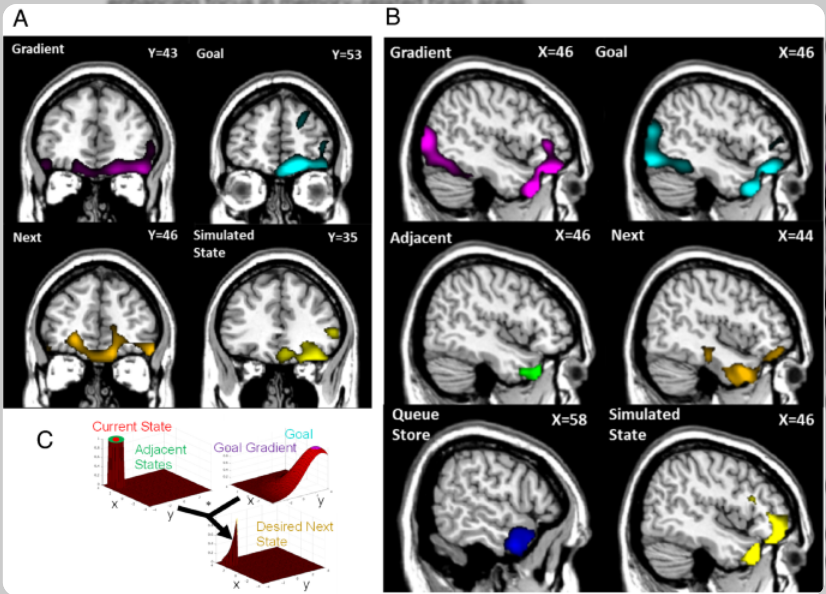
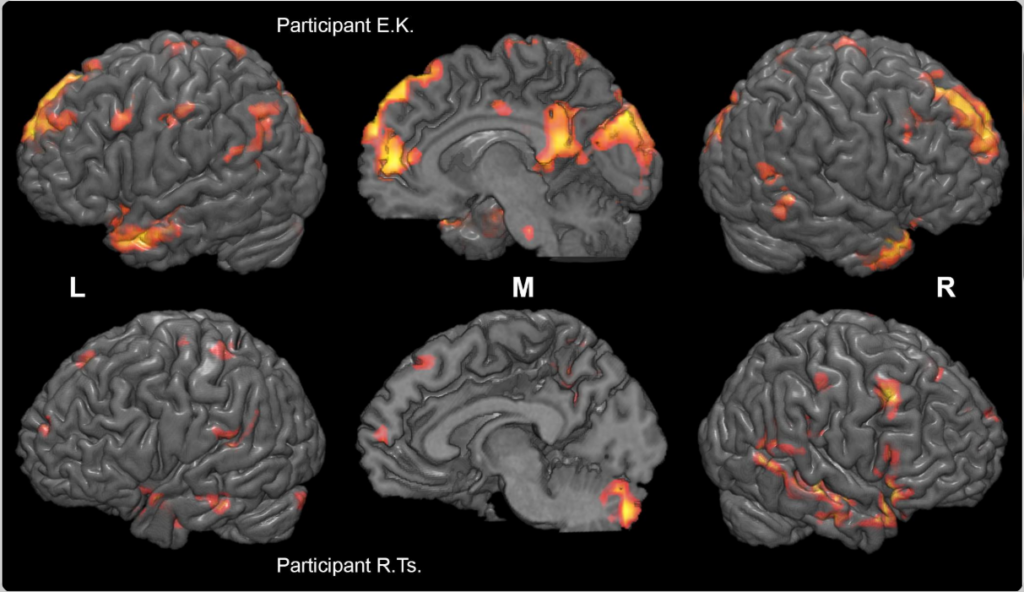
Brain scans provide compelling visual evidence of Sudoku’s effects. fNIRS and fMRI images during puzzle-solving display vibrant activity patterns in the PFC, with color gradients indicating oxygen flow to active neurons. Harder puzzles trigger broader activation, demonstrating the brain’s adaptability—a key aspect of neuroplasticity.
Additional brain scan visualizations from problem-solving studies:
These scans and data underscore that Sudoku isn’t just a pastime; it’s a science-backed strategy for cognitive resilience.
Sudoku and Neuroplasticity: Rewiring Your Brain for Longevity
At the heart of Sudoku’s cognitive benefits lies neuroplasticity—the brain’s remarkable ability to form new neural connections throughout life. Regular engagement with logic puzzles like Sudoku promotes this plasticity by challenging existing pathways and encouraging the growth of new ones.
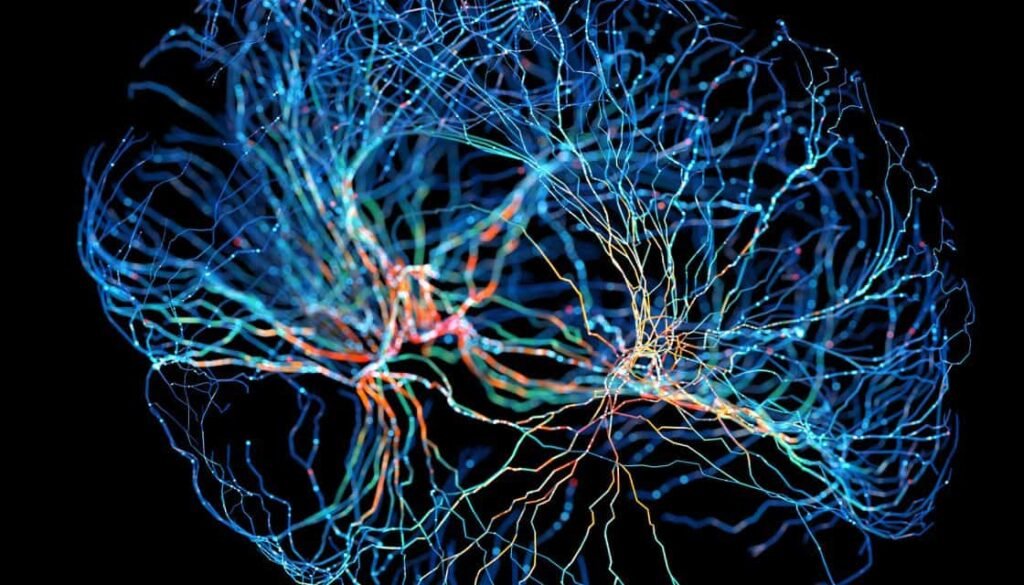
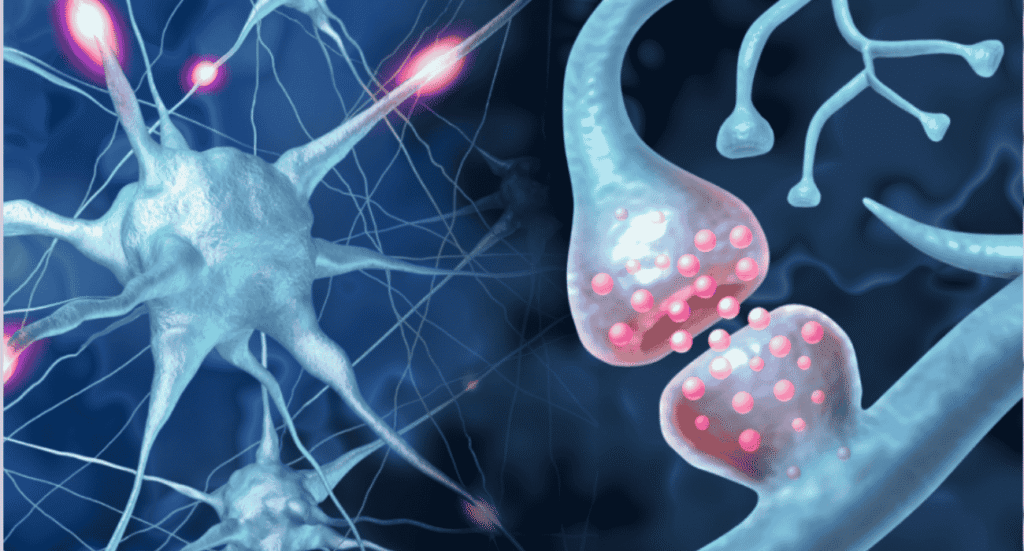
Studies demonstrate that consistent brain training puzzles stimulate dendritic sprouting and synaptic strengthening, particularly in regions associated with executive function and memory. This rewiring helps maintain cognitive reserve, a buffer against neurodegenerative changes. Visual illustrations of neuroplasticity often depict glowing neural networks expanding, symbolizing how Sudoku contributes to a more adaptable and resilient brain.
Sudoku for Seniors: Combating Age-Related Cognitive Decline
For older adults, Sudoku emerges as a powerful tool in “brain games for seniors” routines. Neuroscience evidence supports its role in slowing cognitive aging, with puzzle solvers showing delayed onset of memory lapses and improved daily functioning.
Group activities, such as solving Sudoku together, add social benefits, further enhancing mood and motivation—factors that indirectly support brain health. Many seniors incorporate daily Sudoku into their regimen, reporting sharper thinking and greater enjoyment in mental challenges.
Infographics summarizing these advantages make the science accessible:
How to Get Started with Sudoku for Brain Health
Ready to harness these Sudoku brain benefits? Start simple: Begin with easy puzzles to build confidence, gradually increasing difficulty. Apps and online platforms make it convenient, allowing play on smartphones or tablets anywhere.
Aim for 15-30 minutes daily. Track progress by timing solves or noting fewer hints needed. Combine with other brain training puzzles for varied cross-training.
Modern ways to play Sudoku digitally:

In conclusion, embracing Sudoku as part of your routine can yield profound brain health advantages, from sharpened memory to laser-like attention. As neuroscience continues to unveil the power of logic puzzles, incorporating them into daily life could be your key to a younger, more vibrant mind. Grab a puzzle today and experience the cognitive cross-training benefits for yourself!
FAQs On Does Sudoku Really Boost Memory and Attention
Q.1- Does Sudoku improve brain function?
Ans- Yes, Sudoku acts as cognitive cross-training by engaging multiple brain functions like logical reasoning, pattern recognition, and strategic planning, leading to enhanced memory, attention, and overall mental agility according to neuroscience studies.
Q.2- What are the benefits of Sudoku for the brain?
Ans- Sudoku benefits the brain by boosting memory retention, improving attention span, enhancing problem-solving skills, and promoting neuroplasticity, making the mind more resilient against age-related cognitive decline as shown in brain scans and research.
Q.3- How does Sudoku affect memory?
Ans- Sudoku improves memory by strengthening neural connections in memory centers like the hippocampus, with studies showing frequent players perform better on short-term memory tasks, equivalent to having a brain eight years younger.
Q.4- Can Sudoku help with attention and focus?
Ans- Sudoku enhances attention and focus by requiring sustained concentration, leading to improvements in vigilance and selective focus, with PET scans revealing increased acetylcholine levels that support alertness and reduce mind-wandering.
Q.5- What brain areas are activated by Sudoku?
Ans- Sudoku activates key brain areas including the prefrontal cortex for decision-making, frontopolar cortex for multitasking, hippocampus for memory recall, and parietal lobe for spatial reasoning, as mapped by fNIRS and PET imaging techniques.
Q.6- Is Sudoku good for seniors?
Ans- Sudoku is particularly beneficial for seniors as it combats age-related cognitive decline, delays memory lapses, and improves daily functioning, with group activities adding social benefits to support overall brain health.
Q.7- What do brain scans show about Sudoku?
Ans- Brain scans like fNIRS and PET show increased neural activity in the prefrontal cortex during Sudoku, with heightened oxygenated hemoglobin and neurotransmitter boosts indicating cognitive gains in memory and attention.
Q.8- How does Sudoku promote neuroplasticity?
Ans- Sudoku promotes neuroplasticity by challenging neural pathways, encouraging dendritic sprouting and synaptic strengthening in executive function and memory regions, helping build cognitive reserve for long-term brain health.
Q.9- Can Sudoku prevent cognitive decline?
Ans- Regular Sudoku play can help delay cognitive decline by increasing gray matter volume in memory-related regions and improving performance on cognitive tests, potentially making the brain function as if 10 years younger.
Q.10- How to start playing Sudoku for brain health?
Ans- Start with easy puzzles for 15-30 minutes daily, gradually increasing difficulty using apps or online platforms, and combine with other brain training activities for varied cognitive cross-training benefits.
Q.11- What is cognitive cross-training in Sudoku?
Ans- Cognitive cross-training in Sudoku refers to engaging multiple brain functions simultaneously, similar to physical cross-fit, through logical puzzles that stimulate neural pathways for better real-world problem-solving and mental resilience.
Q.12- Does Sudoku increase acetylcholine levels?
Ans- Studies show Sudoku-like brain games increase acetylcholine levels by about 2.3% in older adults, countering natural declines and enhancing focus in attention and memory-related brain areas.
Q.13- Does Sudoku make you better at maths?
Ans- Sudoku can improve logical thinking, pattern recognition, concentration and problem-solving skills, which support mathematical reasoning. However, it doesn’t directly teach arithmetic or formulas, so it complements math ability rather than replacing formal math practice.
Q.13- What will happen if I play Sudoku daily?
Ans- Playing Sudoku daily can strengthen memory, attention, and logical thinking by constantly challenging your brain to recognize patterns and retain number positions. Over time, this mental exercise may boost focus, processing speed, and overall brain power, helping keep your mind active and sharp.

SwetaMS is the founder and editor of Sudoku Times, a leading blog dedicated to Sudoku puzzles, logical reasoning, and brain training. With a deep passion for analytical thinking and problem-solving, Sweta curates engaging Sudoku challenges, expert solving techniques, and thoughtful insights for puzzle enthusiasts of all levels.