

The interplay between Sudoku and dopamine release creates a rewarding loop that makes solving the sudoku puzzles feel irresistibly addictive. As we explore the neuroscience of Sudoku addiction and the psychology behind why puzzles like Sudoku hook us, we’ll uncover how this simple game taps into our brain’s reward system, backed by updated research from 2020 to 2026.
In a world overflowing with digital distractions, few activities capture our attention quite like a good puzzle. Sudoku, the logic-based number grid that has puzzled minds since its rise in popularity in the early 2000s, stands out as particularly engrossing. Have you ever started a Sudoku puzzle intending to fill just one row, only to find hours slipping away as you chase that final number? This phenomenon isn’t just about passing time—it’s deeply rooted in brain chemistry.
Dopamine, often dubbed the “feel-good” neurotransmitter, plays a starring role in our motivation, pleasure, and learning processes. Produced in areas like the substantia nigra and ventral tegmental area, it surges when we anticipate or achieve rewards, reinforcing behaviors that lead to positive outcomes. This is why activities like eating chocolate, winning a game, or receiving social media likes can feel so compelling—they trigger dopamine hits that encourage repetition.
In the context of puzzle solving brain reward, dopamine isn’t just about instant gratification; it builds habits by associating effort with satisfaction. Recent advancements in neuroscience, including studies from 2025, highlight how dopamine operates with surgical precision, releasing in targeted hotspots rather than flooding the brain broadly. This precision explains why Sudoku, with its incremental challenges, can create such a potent addictive pull.
What Makes Sudoku So Engaging?
Sudoku isn’t your average game—it’s a 9×9 grid demanding logical deduction to place numbers 1 through 9 without repetition in rows, columns, or subgrids. Originating from earlier puzzles but popularized in Japan, it requires no math skills, just pattern recognition and elimination strategies. For beginners pondering “easy Sudoku puzzles for dopamine boost,” the appeal lies in its scalability: start simple and ramp up to expert levels. What hooks players is the “aha” moment—the sudden insight that fills a tricky cell, delivering a micro-reward that keeps you going.
From a psychological standpoint, Sudoku taps into intrinsic motivation. Unlike external rewards like money, the satisfaction comes from mastery and progress. This aligns with flow theory, where tasks matching our skill level absorb us completely, blocking out distractions. In flow, time distorts, and focus sharpens, making Sudoku feel less like work and more like an escape. Queries like “psychology of Sudoku addiction” often lead to discussions on how these puzzles provide relief from daily uncertainties, offering solvable problems in an unpredictable world.
The Dopamine Connection: How Puzzles Light Up Your Brain
At the heart of why solving puzzles feels addictive is dopamine’s role in the brain’s reward pathway. Each correct placement in Sudoku acts as a small victory, prompting dopamine release from the nucleus accumbens, a key player in pleasure and reinforcement. This creates a feedback loop: anticipate success, exert effort, achieve it, and get rewarded—repeat. Studies show that puzzle-solving triggers this neurotransmitter, fostering a sense of accomplishment and happiness. For instance, completing a challenging section can mimic the rush of other rewarding activities, explaining why “Sudoku dopamine hit” is a common phrase among enthusiasts.

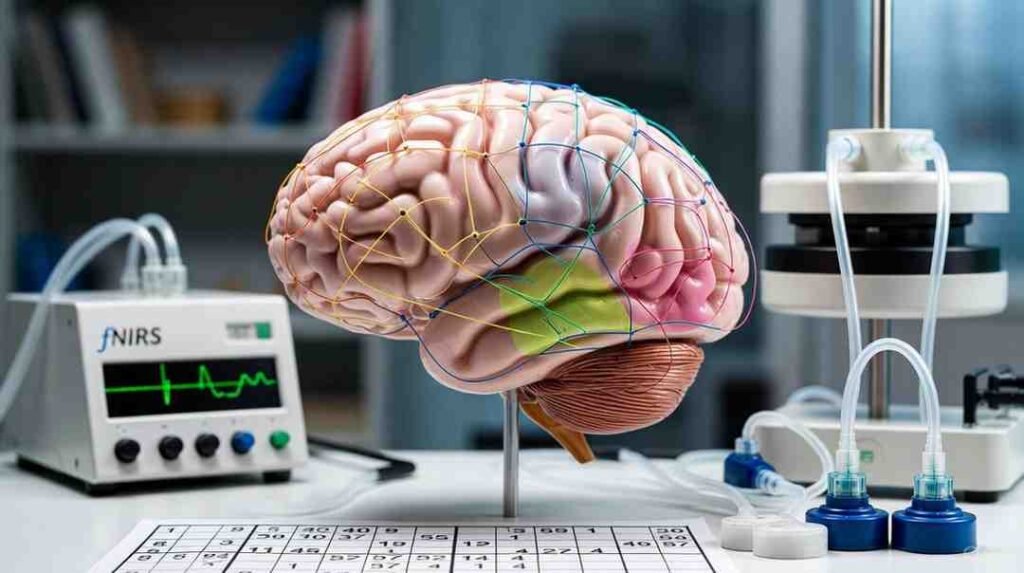
Neuroscience backs this up. Functional near-infrared spectroscopy (fNIRS) research reveals heightened activity in the prefrontal cortex (PFC) during Sudoku tasks, an area crucial for decision-making and working memory. The PFC’s involvement suggests that as you apply heuristic rules—like scanning for singles or pairs—dopamine modulates motivation, making the process enjoyable. A 2023 study on human behavior emphasized how rapid dopamine fluctuations guide decisions, which applies directly to puzzle-solving where quick insights yield rewards. This isn’t random; dopamine’s precise release in hotspots ensures targeted reinforcement, turning Sudoku into a habit-forming activity.
Moreover, the addictive quality stems from variable rewards. Not every move succeeds immediately, creating suspense akin to slot machines. This unpredictability heightens dopamine anticipation, as noted in psychology literature on why puzzles are addictive. Players report feeling “hooked” after a tough puzzle, with the final completion delivering a surge that encourages another round.
The Psychology Behind Puzzle Addiction
Delving deeper into the psychology of puzzle addiction, Sudoku exemplifies how cognitive challenges satisfy our innate curiosity and need for competence. According to self-determination theory, activities fulfilling autonomy, competence, and relatedness boost engagement. Sudoku nails competence—each solved grid builds skill confidence, releasing dopamine that reinforces the behavior. This is why people describe it as “seductive,” with advanced techniques like X-wings adding layers of mastery.
Social media echoes this sentiment. Recent X posts from 2025-2026 reveal users calling Sudoku “insanely addictive,” with one noting it provides “dopamine extra” upon completion. Another compared it to a healthy alternative to social media, highlighting its role in distracting from overthinking. These anecdotes align with research showing puzzles express play’s satisfaction, beyond mere escape.
However, addiction isn’t always positive. Some users report spending hours on Sudoku, displacing other activities, as seen in X discussions. This mirrors broader insights into how brain wiring for rewards can be hijacked, per 2025 Stanford research.
Neuroscience Insights: Brain Activation and Reward Systems
Advanced imaging has illuminated how Sudoku engages the brain’s reward system. A 2020 fNIRS study divided Sudoku into steps, showing differential PFC activation as players apply rules, linking directly to dopamine-modulated motivation. Updated 2025 research from the University of Albany explored Sudoku’s psychological benefits, finding improvements in attention span through puzzle-solving. This ties into dopamine’s role in encoding rewards, as a 2023 Wake Forest study demonstrated fast dopamine changes guiding behavior.
A 2025 MIT study on dopamine in fear extinction offers parallels: just as dopamine signals safety, it may signal puzzle “safety” post-solution, reducing cognitive tension. For neuroscience of Sudoku dopamine, these findings suggest puzzles train the brain to seek rewarding challenges.
Benefits of the Sudoku Dopamine Loop
The addictive feel of Sudoku isn’t all bad—it’s linked to cognitive perks. Regular play boosts memory, logic, and focus, with dopamine reinforcing these gains. A 2025 Cymbiotika analysis noted Sudoku enhances specific skills, though broader cognitive benefits of sudoku may vary. It may combat cognitive decline, per SHARE-ERIC research, by training memory.
Socially, shared puzzling fosters connections, amplifying dopamine through relatedness. For seniors, it’s a low-stakes way to stay sharp, as 2025 Duly Health notes. You may also read- Sudoku and Alzheimer’s Prevention for a better understanding on the effects of sudoku on seniors.
Potential Downsides and Balanced Use
Yet, the dopamine-driven addiction can lead to overindulgence. Excessive play might mimic social media’s rewiring of rewards, per 2025 Instagram insights. Balance is key—use Sudoku as part of a varied routine.
A 2025 Psychology Today roundup on addiction research warns of habit escalation, but puzzles remain low-risk. Set time limits to harness benefits without drawbacks.
Recent Research and Updated Data: 2020-2026 Insights
Research from 2020-2026 underscores Sudoku’s dopamine ties. A 2025 ScienceDaily piece on cues shaping habits via brain proteins like KCC2 relates to puzzle rewards. UW Medicine’s 2025 review finds brain games like Sudoku inconclusive for dementia but useful for short-term focus.
Here’s a table summarizing key studies:
| Study Year | Source/Lead | Key Finding on Dopamine/Sudoku | Methodology | Implications for Addiction |
|---|---|---|---|---|
| 2020 | bioRxiv fNIRS Study | PFC activation during Sudoku links to dopamine-motivated rule application | Neuroimaging (fNIRS) | Explains cognitive engagement leading to reward loops |
| 2023 | Wake Forest Dopamine Study | Fast dopamine changes guide behavior, applicable to puzzle rewards | Human brain monitoring | Highlights why incremental Sudoku successes feel addictive |
| 2025 | UAlbany Psychology Research | Puzzle-solving boosts attention; dopamine reinforces persistence | Student-led experiments | Supports healthy addiction for cognitive health |
| 2025 | CU Anschutz Dopamine Discovery | Dopamine releases in hotspots for precise signaling | Advanced microscopy | Suggests targeted rewards make Sudoku habit-forming |
| 2025 | MIT Dopamine in Fear Study | Dopamine signals resolution, paralleling puzzle completion | Animal models | Implies relief from Sudoku tension boosts dopamine |
| 2025 | Stanford Addiction Wiring | Brain’s ancient reward system can be hijacked by activities like puzzles | Review of neural pathways | Warns of potential over-reliance on Sudoku for dopamine |
This table, drawing on 2025-2026 data, shows evolving understanding of Sudoku’s addictive allure through dopamine.
Tips to Harness Sudoku’s Addictive Power Positively
To maximize benefits, incorporate Sudoku into a “dopamine menu”—pair it with exercise or reading for balanced rewards. Apps offer timed challenges, but avoid endless sessions. For “Sudoku brain training addiction,” start with 15-20 minutes daily.
X users suggest using it for stress relief, like distracting from overthinking. Combine with mindfulness for enhanced effects.
Conclusion: Embracing the Puzzle High
Sudoku’s addictive feel stems from its masterful dopamine orchestration, blending challenge, reward, and satisfaction. As neuroscience of puzzle solving evolves, 2026 promises more insights into optimizing this loop for brain health. Whether you’re searching for Sudoku dopamine release effects or curious about why Sudoku is addictive, remember: it’s a tool for joy and sharpness. Play mindfully, and let the numbers fuel your cognitive adventure.
FAQs On Sudoku and Dopamine
Q.1- Why is Sudoku addictive?
Ans- Sudoku feels addictive due to its dopamine-driven reward loop, where each correct number placement triggers a “feel-good” neurotransmitter release, creating anticipation and satisfaction that encourages repeated play, similar to variable rewards in gaming.
Q.2- How does dopamine relate to solving Sudoku puzzles?
Ans- Dopamine surges during Sudoku when players achieve small victories like filling a cell or completing a row, reinforcing motivation through the brain’s reward pathway in the nucleus accumbens, making the process feel pleasurable and habit-forming.
Q.3- What makes solving puzzles like Sudoku feel rewarding?
Ans- Solving puzzles like Sudoku feels rewarding because of incremental successes that release dopamine, tapping into intrinsic motivation and flow state, where focused effort leads to a sense of mastery and accomplishment.
Q.4- Which brain regions are activated during Sudoku?
Ans- Sudoku activates the prefrontal cortex for decision-making and working memory, along with the nucleus accumbens in the reward system, as shown in fNIRS neuroimaging studies linking these areas to dopamine release.
Q.5- What are the psychological benefits of Sudoku?
Ans- Sudoku offers psychological benefits like improved focus, logical thinking, and stress relief by providing solvable challenges that boost competence and dopamine, potentially enhancing cognitive health without broader addiction risks.
Q.6- How does Sudoku trigger dopamine release?
Ans- Sudoku triggers dopamine release through “aha” moments of insight and puzzle completion, with variable difficulty creating suspense that heightens anticipation, as supported by 2023 neuroscience research on rapid dopamine fluctuations.
Q.7- What recent studies say about Sudoku and dopamine?
Ans- Recent studies from 2020-2026, including a 2025 CU Anschutz discovery, show dopamine releases in precise hotspots during puzzle-solving, explaining Sudoku’s addictive pull through targeted reward signaling in the brain.
Q.8- Can Sudoku improve brain health through dopamine?
Ans- Yes, Sudoku can improve brain health by leveraging dopamine to reinforce cognitive skills like memory and attention, with 2025 research indicating modest benefits for focus and potential protection against cognitive decline.
Q.9- What is the flow theory in relation to Sudoku?
Ans- Flow theory explains Sudoku’s engagement as a state where the puzzle’s challenge matches skill level, leading to deep immersion and time distortion, amplified by dopamine rewards that make it feel addictive.
Q.10- Are there downsides to Sudoku’s addictive nature?
Ans- Downsides include potential overindulgence displacing other activities, as the dopamine loop can mimic habit-forming behaviors, though it’s generally low-risk and beneficial when balanced with time limits.
Q.11- How to use Sudoku for a positive dopamine boost?
Ans- Incorporate Sudoku into a daily routine for 15-20 minutes, pairing it with exercise or mindfulness to harness dopamine positively, enhancing motivation and cognitive perks without leading to excessive play.
Q.12- What alternatives to Sudoku provide similar dopamine effects?
Ans- Alternatives like crosswords, chess, or logic apps offer similar dopamine effects through challenge and reward, with studies showing they engage the same brain reward pathways for addictive yet beneficial engagement.

M K Singh is a contributing writer at Sudoku Times, where he shares his expertise in logic puzzles, problem-solving, and analytical thinking. With a strong background in mathematics and a lifelong passion for puzzles, M K Singh focuses on helping readers develop sharper reasoning skills through engaging Sudoku challenges and practical strategies.