


In this comprehensive guide, we’ll explore how Sudoku benefits the aging brain, backed by scientific insights, practical tips and visual aids to make the information engaging and easy to digest.
As we journey through life, our brains undergo natural changes that can affect memory, focus, and problem-solving abilities. For many individuals in their 60s, 70s, and 80s, staying mentally sharp becomes a priority. Enter Sudoku—a simple yet powerful number puzzle that has gained popularity worldwide. But is it more than just a pastime? Research suggests that regularly engaging in Sudoku can support cognitive health, potentially slowing age-related decline and enhancing overall brain function. For details on cognitive benefits of sudoku visit- Cognitive Benefits of Sudoku: Cuts Dementia Risk 27 %
Whether you’re a senior looking to boost your mental agility or a caregiver seeking activities for loved ones, understanding Sudoku’s role in brain health can be transformative. We’ll break down the science, offer age-specific advice, and provide strategies to get started—all while ensuring this activity remains enjoyable and stress-free.
Understanding the Aging Brain: What Happens as We Grow Older?
Aging is a natural process, but it often brings challenges to cognitive function. From around age 60 onward, the brain experiences subtle shifts: neurons may shrink, communication between brain regions slows, and areas responsible for memory and executive function can weaken. Common issues include mild forgetfulness, reduced attention span, and slower processing speeds. In the 70s and 80s, these changes might intensify, increasing the risk of conditions like mild cognitive impairment (MCI) or dementia.
However, the brain’s plasticity—its ability to form new connections—persists throughout life. Activities that challenge the mind can stimulate neuroplasticity, helping to maintain or even improve cognitive reserves. This is where brain exercises like puzzles come into play. Studies indicate that mentally stimulating leisure activities can reduce the risk of cognitive decline by building stronger neural pathways.
For instance, the prefrontal cortex, which handles planning and decision-making, often sees reduced activity with age. Engaging in logical tasks can reactivate these areas, promoting better mental resilience. Similarly, the hippocampus, key for memory, benefits from pattern recognition exercises.
To visualize this, consider how brain activity changes during mental challenges. Puzzles like Sudoku light up multiple regions, fostering connectivity that combats age-related atrophy.
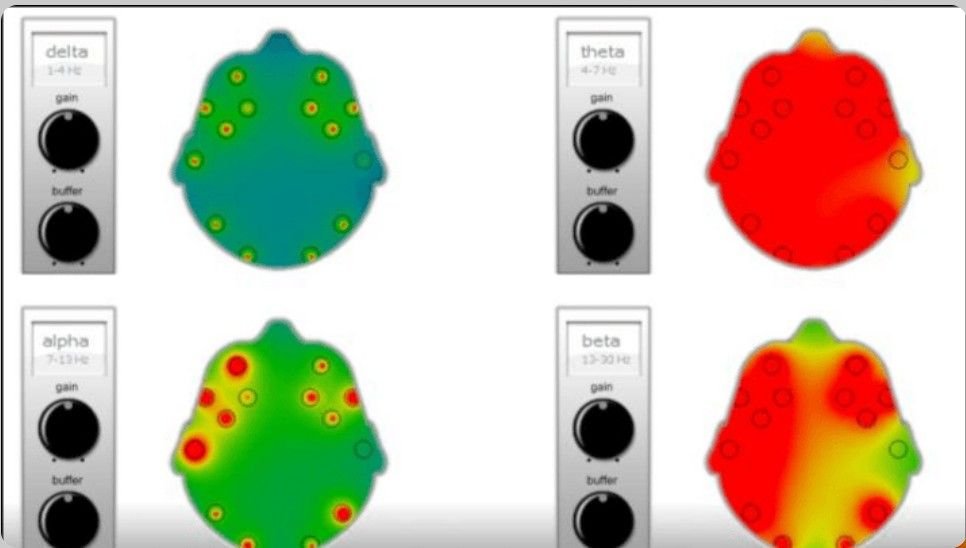
This diagram illustrates heightened brain activity in problem-solving scenarios, showing how such tasks can invigorate neural networks in older adults.
What is Sudoku? A Quick Primer for Beginners
Sudoku is a logic-based puzzle that originated in the late 20th century, though its roots trace back to earlier number games. The standard Sudoku grid is a 9×9 square divided into nine 3×3 subgrids. The goal? Fill in the grid so that each row, column, and subgrid contains the numbers 1 through 9 without repetition. No math skills are required—it’s all about deduction and pattern spotting.
Why is it ideal for seniors? It’s accessible, requiring only a pencil and paper (or a digital app), and puzzles range from easy to expert levels. For those in their 60s, it can be a fun daily ritual; in the 70s, a way to maintain sharpness; and in the 80s, a gentle exercise to ward off boredom and isolation.
Here’s an example of a basic Sudoku grid to get you familiar:
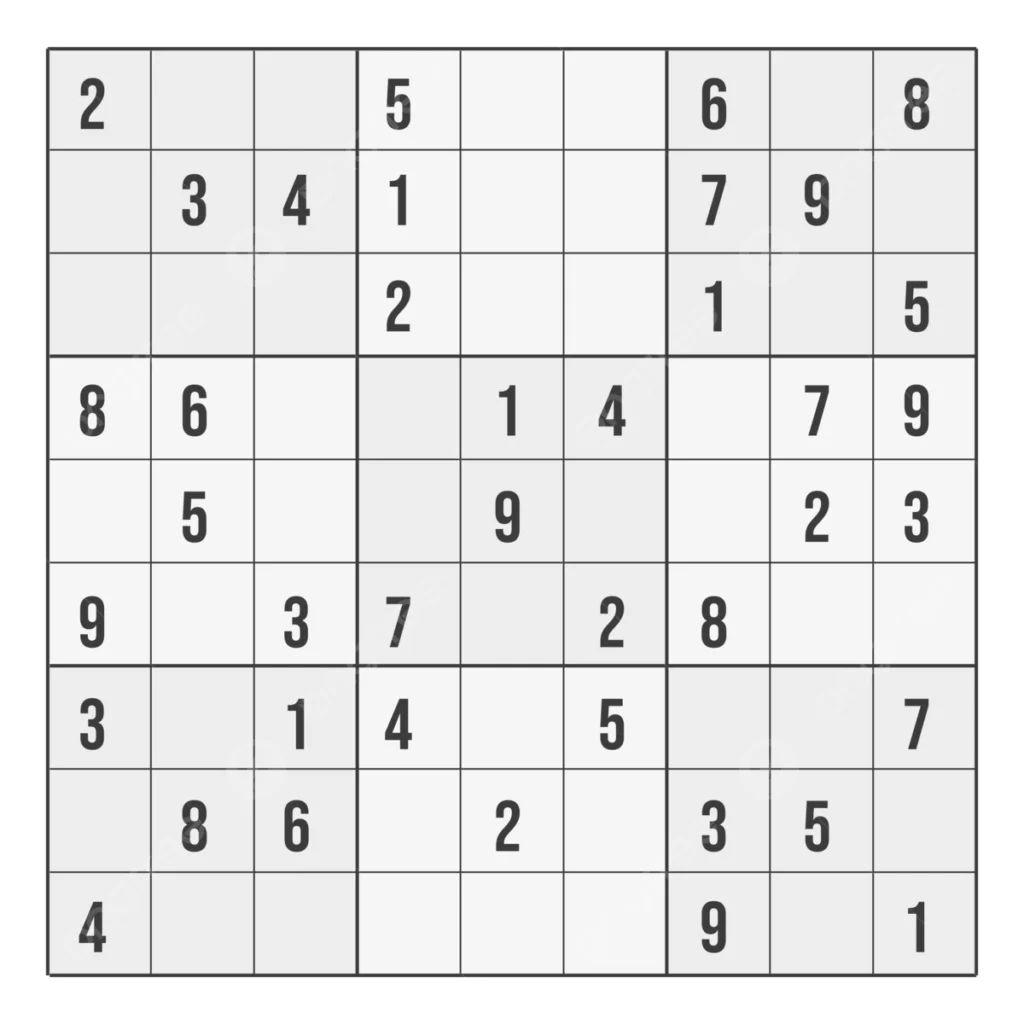
As you can see, some numbers are pre-filled, and the rest must be logically deduced. Starting with easier grids helps build confidence without overwhelming the brain.
Cognitive Benefits of Sudoku for the Aging Mind
Sudoku isn’t just entertainment—it’s a workout for the brain. Regular play targets several key cognitive domains, making it a valuable tool for seniors. Let’s delve into the primary benefits.
Enhancing Memory and Recall
One of the most noticeable effects of aging is short-term memory lapses, like forgetting where you placed your keys. Sudoku strengthens working memory by requiring players to hold multiple possibilities in mind while scanning the grid. A study published in the Activities, Adaptation & Aging journal found a significant link between Sudoku performance and improved working memory in older adults. This is crucial for daily tasks, such as following recipes or managing medications.
In the 60s, this can help maintain professional-level recall if still working. By the 70s, it supports independence in hobbies, and in the 80s, it aids in retaining personal stories and routines.
Boosting Concentration and Attention Span
Distractions abound in modern life, but aging can exacerbate focus issues due to slower neural processing. Sudoku demands sustained attention, training the brain to ignore irrelevant information and zero in on patterns. Research from a large-scale UK study involving over 19,000 participants aged 50+ showed that frequent puzzle solvers had better attention and reasoning skills, equivalent to brains 8-10 years younger.
For octogenarians, this means better engagement in conversations or reading, reducing feelings of frustration from wandering thoughts.
Sharpening Problem-Solving and Logical Thinking
Sudoku is essentially a series of mini-decisions: “If I place a 5 here, what does that mean for the row?” This hones executive functions, which decline with age. The prefrontal cortex gets a workout, as confirmed by functional near-infrared spectroscopy (fNIRS) studies showing increased activation during Sudoku tasks. Such stimulation can delay dementia symptoms, with one analysis suggesting a 47% reduced risk for regular players. Visit- Cognitive Benefits of Sudoku: Cuts Dementia Risk 27 %
In practical terms, this translates to better decision-making in everyday scenarios, like budgeting or navigating new routes.
Reducing Stress and Promoting Emotional Well-Being
While not purely cognitive, mental health impacts brain function. Sudoku provides a sense of accomplishment, releasing dopamine that combats depression common in later years. It’s a low-pressure activity that can alleviate anxiety, especially when done socially.
A 2024 UCLA Health report highlighted that number puzzles correlate with overall cognitive vitality in seniors. For those in their 80s, this emotional boost can enhance quality of life.
To summarize these benefits, here’s a table outlining how Sudoku impacts various brain functions:
| Cognitive Area | How Sudoku Helps | Benefits for 60+ | Benefits for 70+ | Benefits for 80+ |
|---|---|---|---|---|
| Memory | Improves working memory through number retention | Maintains quick recall for work or hobbies | Supports daily routines like shopping lists | Aids in remembering family events |
| Concentration | Enhances focus by requiring pattern scanning | Boosts productivity in active lifestyles | Helps with reading or TV watching without distraction | Reduces mind-wandering during quiet times |
| Problem-Solving | Strengthens logical deduction | Improves strategic thinking in games or puzzles | Assists in planning travel or finances | Simplifies decision-making in health matters |
| Emotional Health | Provides achievement and relaxation | Reduces work-related stress | Combats retirement boredom | Alleviates isolation feelings |
This table highlights Sudoku’s versatility across age groups, making it a tailored brain booster.
Scientific Evidence: What Do Studies Say About Sudoku and Brain Aging?
The hype around brain games isn’t just anecdotal—it’s supported by research. A 2019 study from the University of Exeter and King’s College London analyzed data from nearly 20,000 adults over 50. Frequent number puzzle engagement (like Sudoku) was linked to superior performance in memory, attention, and reasoning tests. Participants who played daily scored as if their brains were eight years younger.
Another investigation in the International Journal of Geriatric Psychiatry examined over 1,000 adults aged 50-93, finding a strong correlation between puzzle frequency and cognitive quality. Specifically, Sudoku users showed better baseline function, suggesting preventive benefits.
Neuroimaging adds depth: A PMC study using fNIRS revealed that Sudoku activates the prefrontal cortex, crucial for executive control, which atrophies with age. This activation may delay dementia, as puzzles build cognitive reserves.
However, not all research is unanimous. A 2018 Scottish study questioned whether puzzles slow decline, noting benefits might plateau. Still, the consensus leans positive, with experts like those at UNSW Sydney recommending puzzles as part of a dementia-risk reduction strategy.
Combining Sudoku with physical activity amplifies effects. A PMC article on older adults found that pairing cognitive games with exercise improved gray matter volume and performance. This holistic approach is key for long-term brain health.
Recent 2025 insights from Wesley Choice emphasize puzzles’ role in short-term memory and problem-solving, surprising even researchers with their impact. For Alzheimer’s prevention, medium-term engagement shows promise, per a Medium analysis.
In essence, while Sudoku isn’t a cure-all, consistent play contributes to a healthier aging brain.
Age-Specific Benefits: Sudoku for 60s, 70s, and 80s
Sudoku’s advantages evolve with age, addressing stage-specific needs.
For Those in Their 60s: Building a Strong Foundation
In the 60s, many are still active, perhaps working or traveling. Sudoku helps preserve cognitive peaks by enhancing multitasking and quick thinking. It counters early signs of slowdown, like occasional word-finding difficulties. Regular play can maintain professional edge and support learning new skills, such as tech gadgets.
For the 70s: Maintaining Independence
Retirement often brings more free time but also risks of isolation. Sudoku fosters mental stamina, aiding in hobbies like gardening or volunteering. It supports spatial reasoning, useful for driving or home organization. Studies show it delays MCI onset, keeping life vibrant.
For the 80s and Beyond: Gentle Stimulation and Joy
In the 80s, mobility might limit options, but Sudoku is adaptable—play seated or via large-print books. It combats loneliness by providing purpose and can be socialized in groups. Benefits include sustained memory for cherished moments and reduced dementia risk, as per Antara Senior Care’s 2025 guide.
Visualize the joy: Seniors engaging with puzzles often report higher life satisfaction.
How to Incorporate Sudoku into Your Daily Routine
Starting is simple. Begin with 10-15 minutes daily, gradually increasing. Apps like Sudoku.com offer adjustable difficulties, while books provide tactile appeal.
Here’s a sample weekly schedule table to integrate Sudoku seamlessly:
| Day | Activity Level | Duration | Tips |
|---|---|---|---|
| Monday | Easy | 15 min | Focus on one quadrant |
| Tuesday | Medium | 20 min | Time yourself for fun |
| Wednesday | Easy | 15 min | Pair with tea break |
| Thursday | Medium | 20 min | Try themed puzzles |
| Friday | Hard | 25 min | Challenge a friend |
| Saturday | Easy | 15 min | Review past puzzles |
| Sunday | Rest or Review | Optional | Reflect on progress |
This routine ensures variety, preventing burnout while building habits.
Combine with walks or healthy eating for compounded benefits, as per combined activity studies.
Tips for Success and Overcoming Challenges
- Choose the Right Difficulty: Start simple to avoid frustration.
- Make It Social: Join clubs or play with family to enhance enjoyment.
- Track Progress: Note improvements in speed or accuracy.
- Adapt for Needs: Use large-print or digital versions for vision issues.
- Balance with Variety: Mix with crosswords or chess for broader stimulation.
Challenges like initial difficulty can be overcome with patience—remember, the goal is enjoyment, not perfection.
Conclusion: Embrace Sudoku for a Sharper Tomorrow
Sudoku offers a fun, effective way to nurture the aging brain, from bolstering memory in the 60s to fostering resilience in the 80s. Backed by studies showing cognitive enhancements and dementia risk reduction, it’s a worthwhile addition to any senior’s routine. Start small, stay consistent, and watch your mental acuity flourish. Remember, a healthy brain is about more than puzzles—pair it with exercise, social ties, and nutrition for optimal results.
If you’re ready to dive in, grab a puzzle today and experience the benefits firsthand. Your brain will thank you!
FAQs On How Sudoku Benefits the Aging Brain
Q1- Does Sudoku actually keep your brain young?
Ans- While Sudoku isn’t a magic solution to reverse aging, research indicates that regular engagement with puzzles like Sudoku can make brain function equivalent to 8-10 years younger in areas like memory, attention, and reasoning, as shown in large-scale studies involving older adults.
Q2- Is Sudoku good for senior brain health?
Ans- Yes, Sudoku is beneficial for seniors as it stimulates neuroplasticity, helping to maintain cognitive reserves and potentially slowing age-related decline in memory, focus, and problem-solving skills.
Q3- How does Sudoku help the aging brain?
Ans- Sudoku targets key cognitive areas by enhancing working memory through number retention, boosting concentration via pattern scanning, sharpening logical thinking with deductive decisions, and promoting emotional well-being through a sense of accomplishment.
Q4- Can Sudoku prevent dementia or Alzheimer’s?
Ans- Sudoku may help reduce the risk of dementia symptoms by building stronger neural pathways, with some analyses suggesting up to a 47% lower risk for regular players, though it’s most effective when combined with other lifestyle factors like exercise and social interaction.
Q5- Does daily Sudoku keep my brain healthy?
Ans- Engaging in Sudoku daily can support brain health by activating regions like the prefrontal cortex and hippocampus, which are prone to age-related atrophy, leading to improved executive functions and overall cognitive vitality.
Q6- Is trying to do Sudoku good for the brain even if you fail?
Ans- Absolutely, the process of attempting Sudoku puzzles stimulates brain activity and fosters resilience, providing benefits like better focus and logical reasoning even if the puzzle isn’t fully completed, making it valuable for mental exercise.
Q7- What are the benefits of Sudoku for memory and recall?
Ans- Sudoku strengthens working memory by requiring players to hold multiple possibilities in mind, which can help with everyday tasks like remembering lists or routines, particularly beneficial for those in their 60s, 70s, and 80s.
Q8- How does Sudoku boost concentration in older adults?
Ans- By demanding sustained attention to scan grids and ignore distractions, Sudoku trains the brain to improve focus, which can enhance activities like reading or conversations and reduce mind-wandering in later years.
Q9- What scientific evidence supports Sudoku’s benefits for the brain?
Ans- Studies from institutions like the University of Exeter show that frequent Sudoku players over 50 perform better on cognitive tests, with neuroimaging revealing increased prefrontal cortex activation, supporting its role in delaying cognitive decline.
Q10- How can seniors in their 60s, 70s, and 80s benefit from Sudoku?
Ans- For those in their 60s, it builds a strong cognitive foundation; in the 70s, it maintains independence through better planning; and in the 80s, it provides gentle stimulation to combat isolation and retain personal memories.
Q11- How often should seniors play Sudoku for brain health?
Ans- Starting with 10-15 minutes daily and building up to 20-25 minutes a few times a week is ideal, with a varied schedule to prevent burnout while ensuring consistent mental stimulation.
Q12- What tips can help beginners start with Sudoku?
Ans- Begin with easy puzzles, use large-print versions if needed, focus on one section at a time, track progress for motivation, and combine it with social play or other activities for a well-rounded approach.

SwetaMS is the founder and editor of Sudoku Times, a leading blog dedicated to Sudoku puzzles, logical reasoning, and brain training. With a deep passion for analytical thinking and problem-solving, Sweta curates engaging Sudoku challenges, expert solving techniques, and thoughtful insights for puzzle enthusiasts of all levels.
Pingback: Sudoku for Stroke Recovery: What Cognitive Skills It Trains - Sudoku Times